Prices here are the yen figures, with today's conversion beside them. When we last checked, on September 4, 2026, ¥157 bought a US dollar and ¥212 a pound.
The short answer
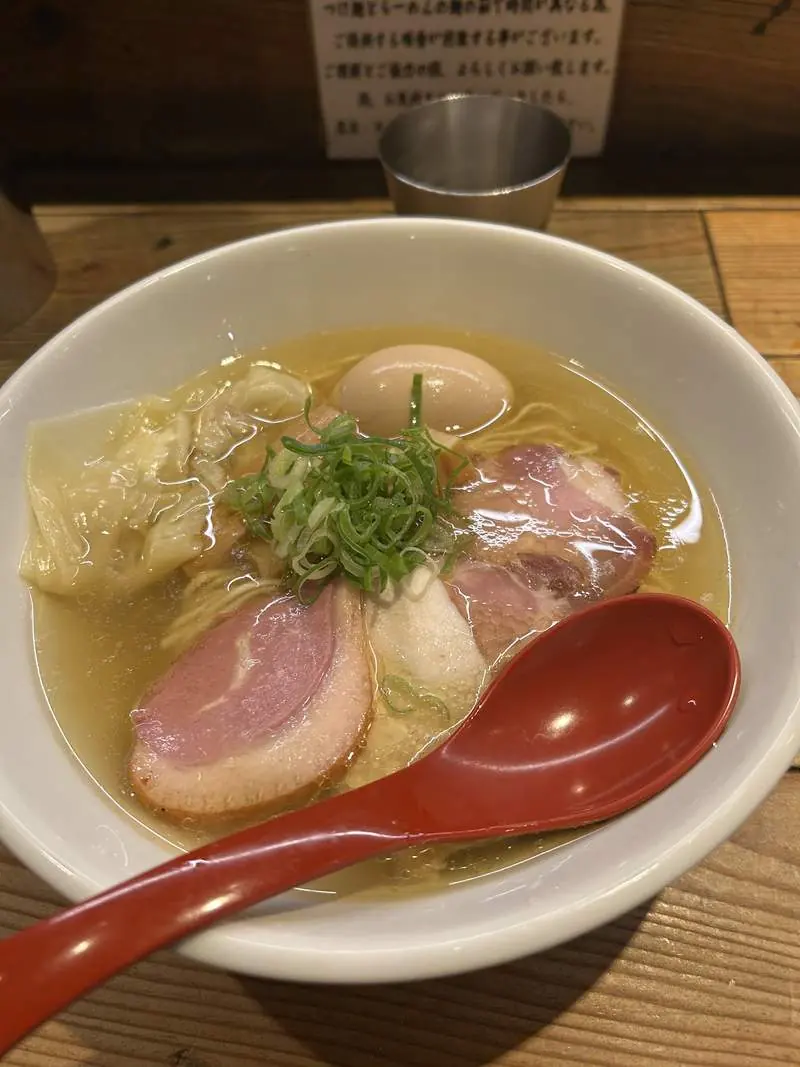
Both things are true at once. Prices in Japan have risen in yen, and the yen has fallen a lot faster, so a trip paid for in dollars costs you less than it did five years ago. A bowl of ramen averaged ¥601 in 2020 and averages ¥741 now, which is 23% more in yen. Against that, the yen has lost about a third of its value against the dollar since 2020. You pay less for a bowl that costs more.
What changed, in one bowl of ramen
The yen price went up. A standard bowl averaged ¥601 in 2020 and ¥741 today, and that’s a real increase inside Japan, felt by everyone who lives there. What changed underneath is the rate at which your money buys yen, and it moved further and faster than any Japanese menu did, which is why the same bowl reads as an increase in Tokyo and as a discount to you.
The value of 100 yen, in euro cents. The line falls as the yen weakens.
Monthly averages of the European Central Bank reference rate, January 2006 to August 2026. Last checked September 4, 2026.
The line above is the European Central Bank euro/yen series, and the dollar tells the same story over the same period. It bought 106.7 yen on average across 2020, computed over the 258 trading days the European Central Bank quoted that year, against the rate printed at the top of this page today. That gap is the third the yen has lost. Every conversion below is in dollars.
Cheaper than five years ago, and cheaper than the US
Those are two different questions, and only the first one has an answer here. We do not hold US grocery prices, US restaurant checks or US hotel rates, so the comparison with home is yours to make; the Japanese side is priced and dated, and our Japan trip cost page carries the daily numbers.
Why the yen is weak
Economists do not agree on the weight of each cause, but three keep coming back in the financial press.
The interest rate gap. The Bank of Japan raised its policy rate to 1.25% on September 18, 2026, one day after the Federal Reserve had lifted its own target to a range of 3.75% to 4.00%. Money parked in yen earns little, money parked in dollars earns a good deal more, so investors sell the first to buy the second. That selling is what pushes the yen down.
The carry trade. Borrow yen cheaply, convert, and invest somewhere that pays more. As long as the rate gap covers the cost of borrowing, the trade works, and each conversion out of yen into dollars or euros adds a little more selling pressure on the Japanese currency.
Energy. Japan imports nearly all of it and pays in dollars, so a weak yen makes those imports more expensive in yen, widens the trade deficit, and pushes the currency down again.
The Ministry of Finance stepping in is not a cause, but it tells you how seriously Tokyo takes the level. Between late April and late May 2026, Japan spent about ¥11.7 trillion buying its own currency back on the market. It was the first intervention of that kind since 2024, and a second, larger one followed between late July and late August 2026, this time for about ¥15.4 trillion.
While that rate gap holds, nothing mechanical will push the yen back up. Nothing guarantees it stays here either.
This article is not financial advice. It explains a mechanism, and it does not predict what the rate will do over the next few months. Nobody can do that reliably, and a travel page least of all.
Where to get yen without losing on fees
Paying by card stacks two fees. The network takes its cut, around 0.8% to 1% of the amount, and your bank adds its own margin on top, from nothing to several points depending on the card. So it depends on your bank, not on Japan. Read the foreign transaction terms of your card before you fly, because that’s where the money goes, not in which Japanese shop you choose. A card with no foreign transaction fee changes your budget more than any tip you’ll pick up on the ground.
Most Japanese bank ATMs refuse foreign cards outright. Seven Bank is the reliable one: its machines sit in 7-Eleven stores across the country, run 24 hours, take Visa, Mastercard and most large international networks, and cap a foreign card withdrawal at ¥100,000 (about $636) per transaction. Japan Post Bank accepts foreign cards at some of its machines, which helps outside the big cities where 7-Eleven thins out, so look for your card logo on the machine before you queue. Lawson and FamilyMart machines were historically less dependable for a foreign card, on the E-net network. That changed in June 2026, when FamilyMart began rolling out its own Famima ATM, in fact operated by Seven Bank.
Airport exchange counters quote the worst rates. Downtown ones are better, and they are useful for a small float on landing rather than for changing real money. Our yen to dollar converter gives the reference rate.
The board rate already includes the counter’s margin. It is never the market rate a converter shows you. Comparing two counters against each other tells you something; comparing a counter against a market rate tells you nothing at all.
An IC card such as Suica or PASMO reloads with cash at station machines and in most konbini convenience stores, or straight from a bank card if it lives on your phone. It also works in most vending machines across the country, drinks and snacks included. On iPhone, Suica sits in Wallet and reloads from the phone, and every iPhone 8 or later carries the FeliCa chip it needs, including handsets sold outside Japan. On Android it mostly does not work. That chip is fitted only to models sold on the Japanese market, so a Pixel or a Galaxy bought at home will not run a mobile Suica, whatever app you install.
What you can do today
- Take the yen figure as the fact and your own currency as one way of reading it. A menu price rising in Japan and falling for you is not a contradiction.
- Check the foreign transaction line of your card before you fly. That single line moves your budget more than any choice you make once you land.
- Withdraw at Seven Bank rather than at an exchange counter, and keep the counter for a small float on landing.
- Pick your dates on the calendar, not on the rate. When to visit Japan moves your bill far more than a few yen on the exchange rate, and so does when you buy the flight.