Common questions
Japan has four sharply drawn seasons.
Autumn, from late October to late November, is as good as spring, and books up just as fast. Clear skies, 15 to 20°C (59 to 68°F), and maples that turn red from north to south over about 6 weeks.
Winter is dry and bright in Tokyo and Kyoto alike, cold but rarely wet, and it is the season for onsen, the hot-spring baths, where you bathe outdoors in 40°C (104°F) water, sometimes in the snow.
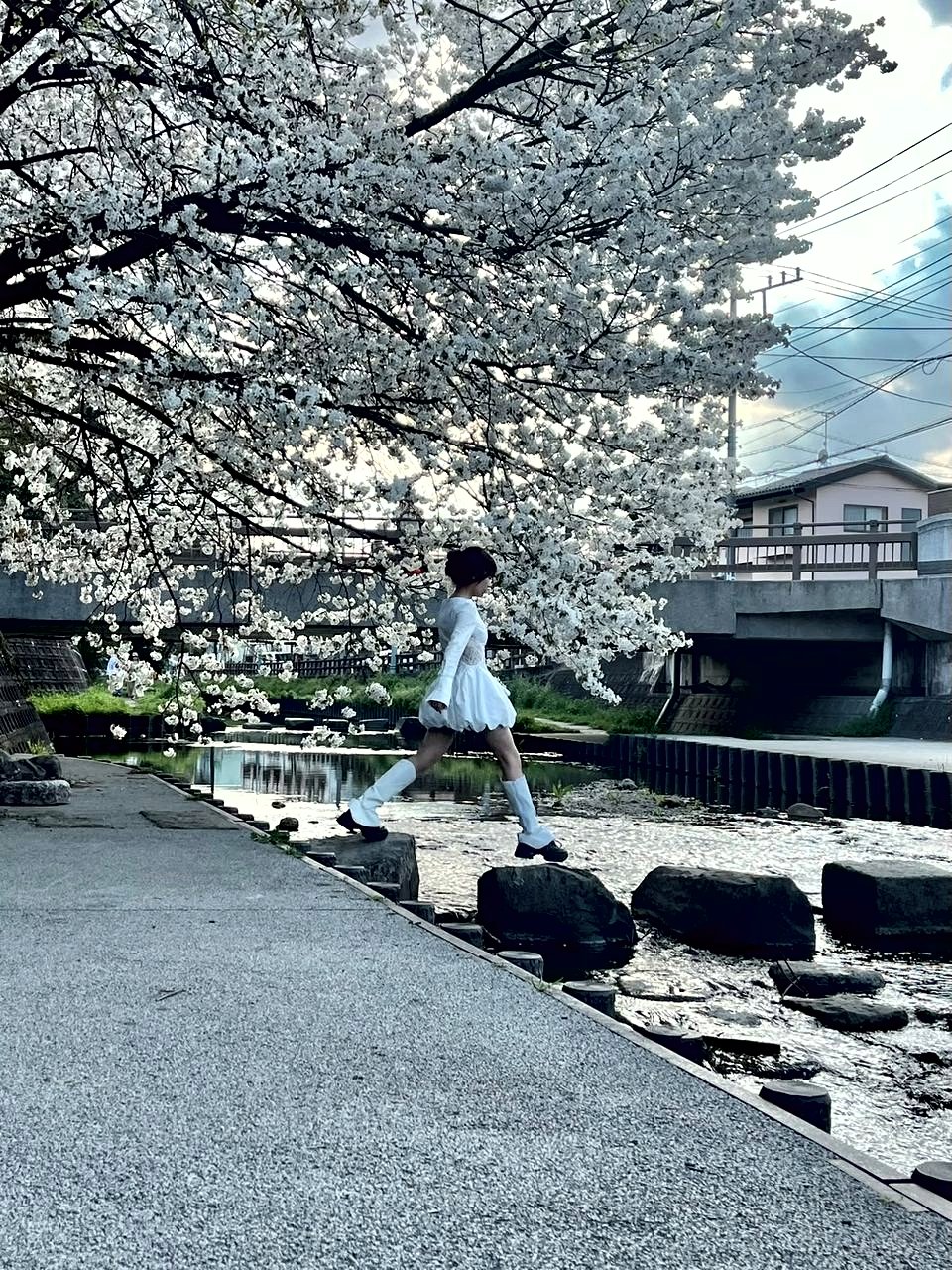
Spring is mild, but it concentrates the world's demand on the 3 weeks of cherry blossom, with the prices that implies. Once Golden Week ends on May 5, fares fall back while the weather stays excellent until the rainy season arrives in early June.
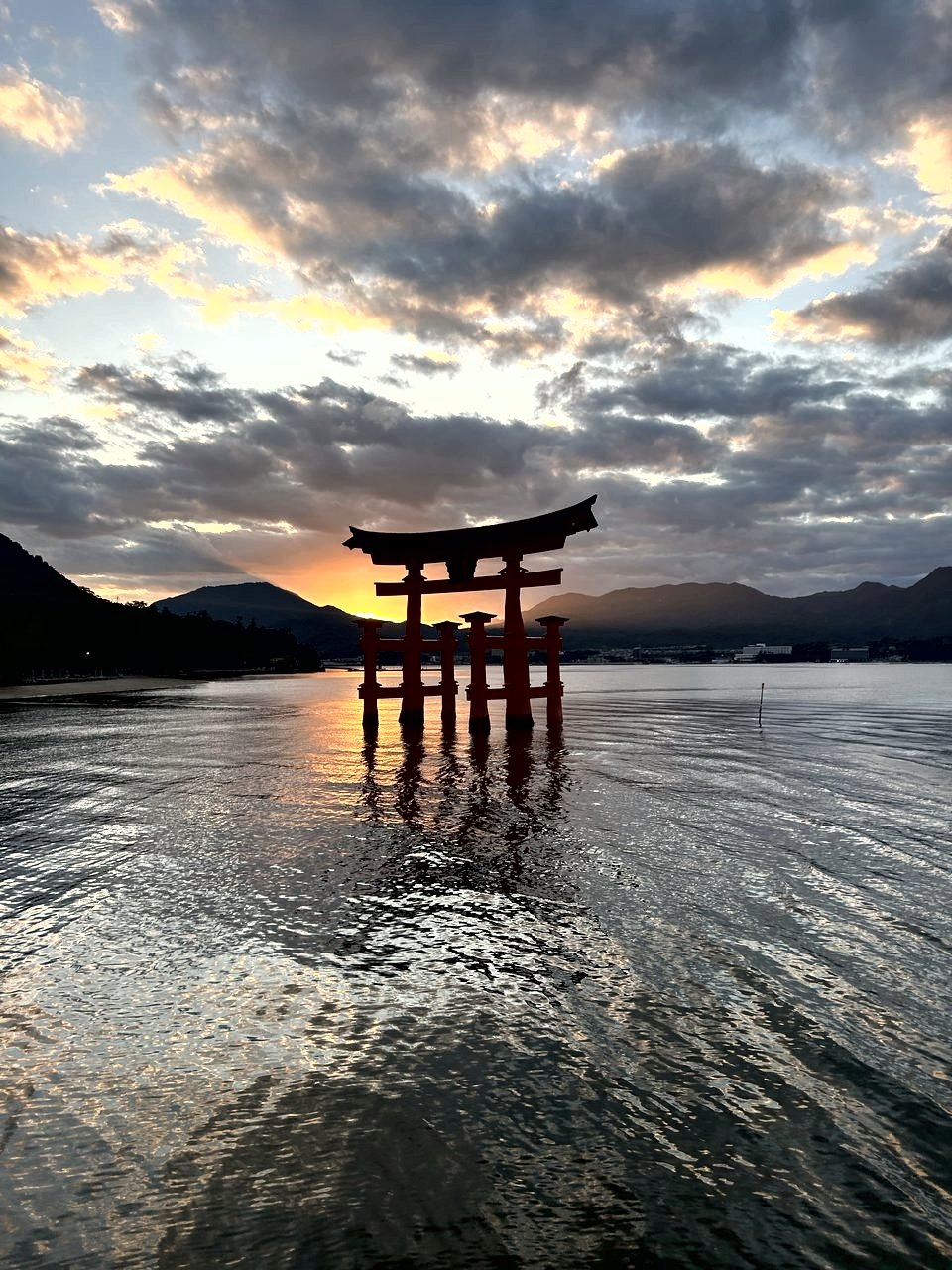
Summer comes with a warning. June brings tsuyu, the rainy season, and July and August reach 35°C (95°F) at 80 percent humidity. It is not a deal-breaker (empty temples in the rain have their charm, and it is fireworks season), but you want to know before you book.
Booking as early as you can doesn't bring the fare down: a ticket bought 6 months ahead is almost never a bargain.
Fares climb sharply in the last few weeks before departure, and buying very early buys you choice, not savings. The "How it moves" block shows every day whether a drop is settling in for your dates.
In the busy periods it's where you stay that sets the calendar: a ryokan (a traditional inn) in Kyoto in late November or over Golden Week gets booked the day sales open, about 6 months ahead, while the plane ticket can still wait.
From Los Angeles or San Francisco, a nonstop to Tokyo runs about 11 hours. From New York it is closer to 14. The return is usually 1 to 2 hours longer, because the jet stream works against you.
That gap explains most of the price gap too. The West Coast has more carriers and more frequencies on the route, and the fares show it.
January, once the New Year holidays end on January 3: it is the low season nobody thinks about. November is often quoted too, for its near-perfect weather, but it is the priciest month of the year for rooms in Kyoto, so a cheap flight there doesn't make a cheap trip.
The 3 periods to avoid are the same wherever you fly from: Golden Week at the start of May, Obon in mid-August, and the cherry blossom in late March and early April. Fares can double, and hotels fill months ahead.
The ranking above is rebuilt every day from fares we record ourselves, so it answers the question for the months you are actually looking at rather than in the abstract.
Haneda sits about 15 kilometers from central Tokyo, some 30 minutes by monorail or on the Keikyu line, for a few hundred yen. Narita is around 60 kilometers out: an hour on the Narita Express and about ¥3,000 (about $19).
Check which airport your flight lands at before you compare two prices.